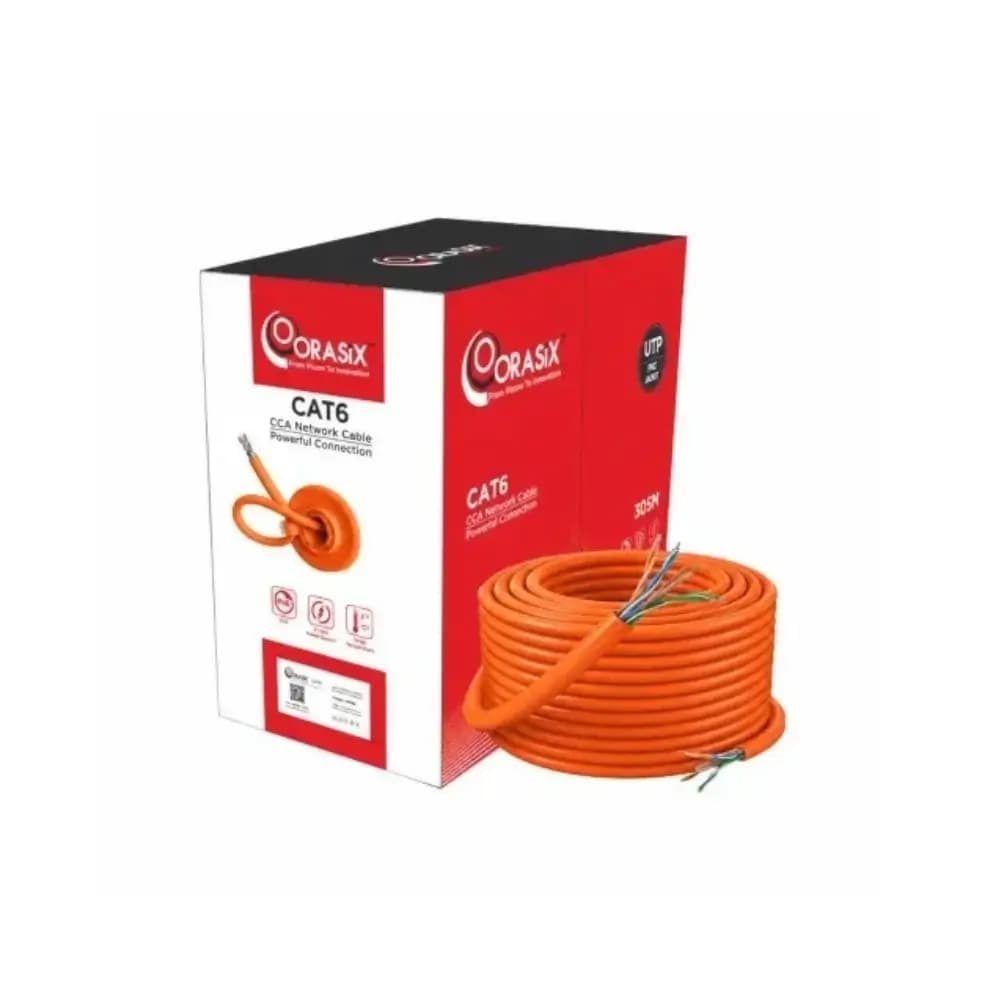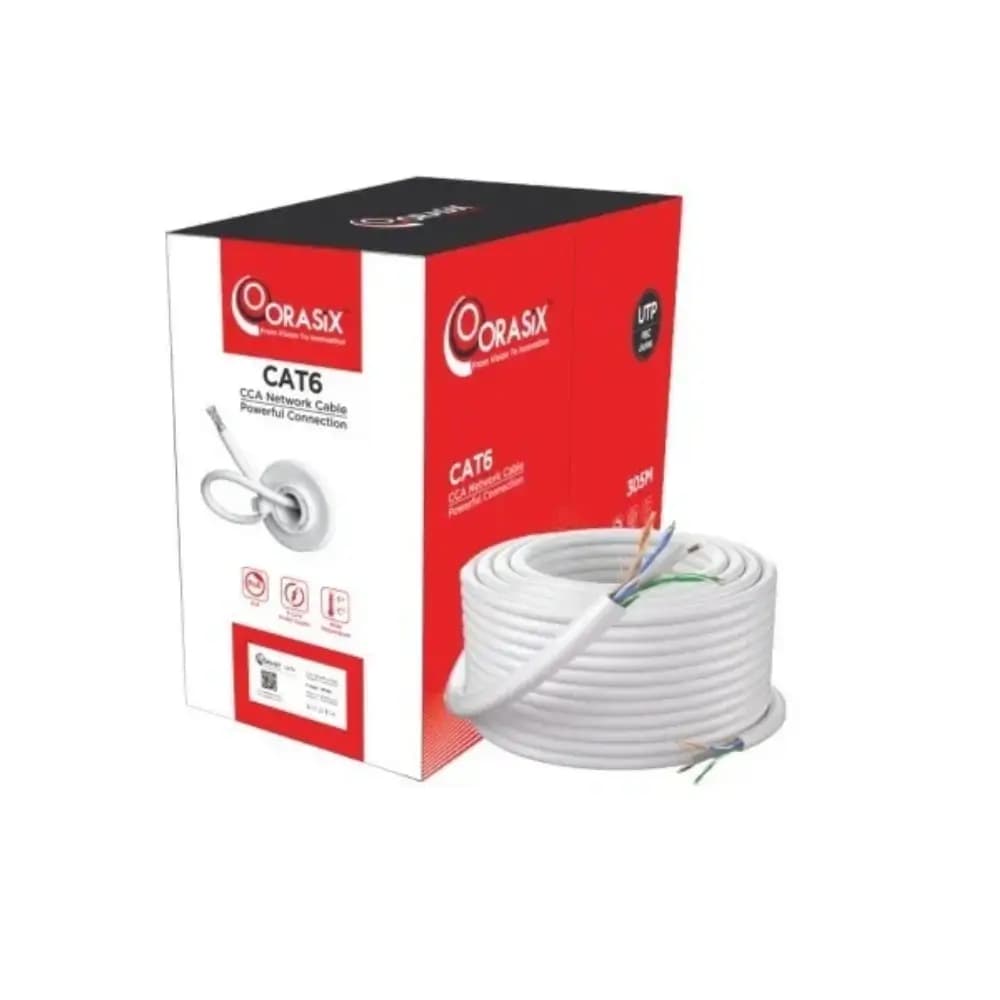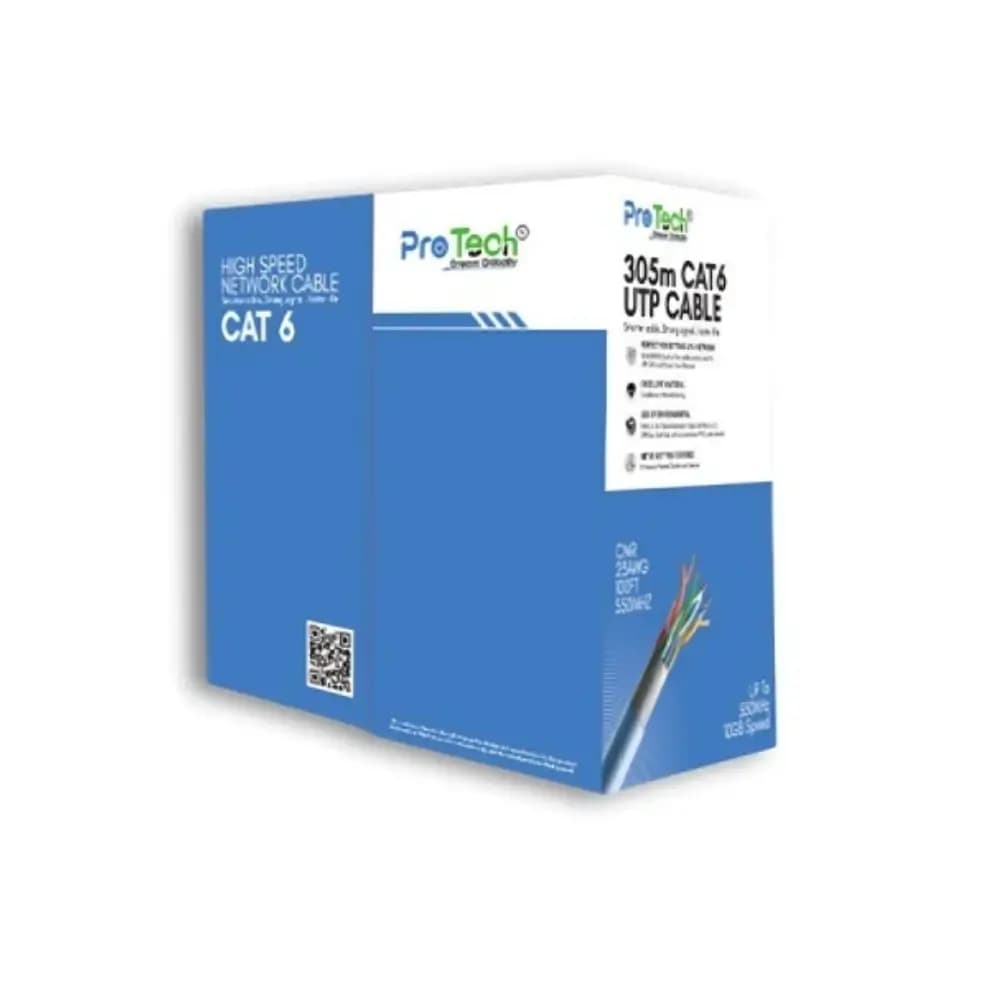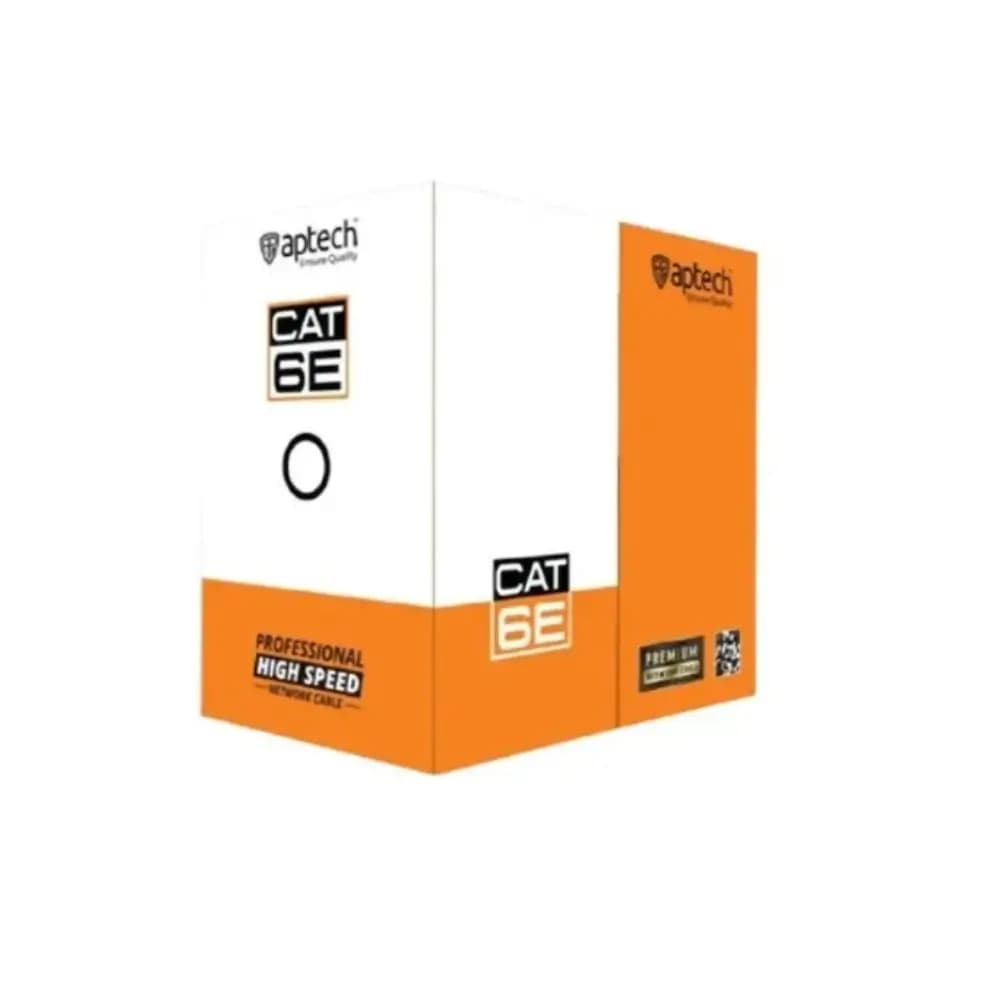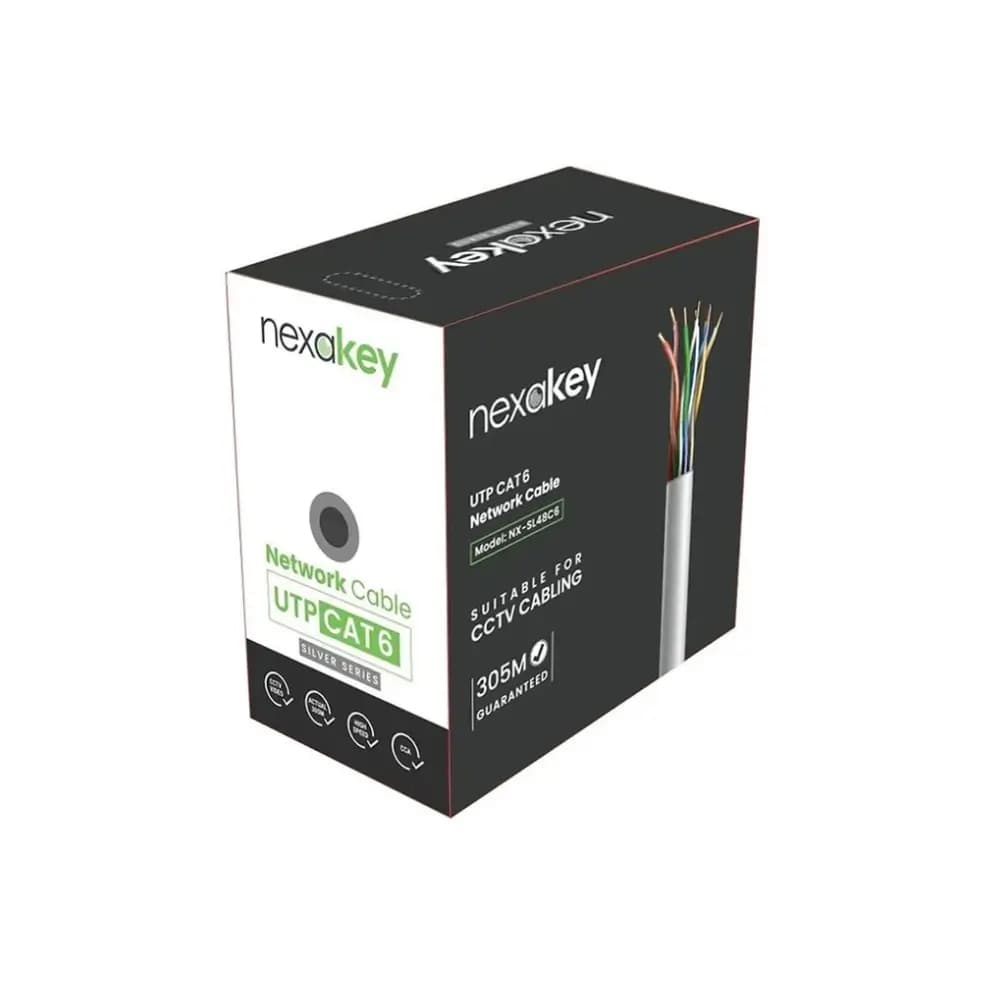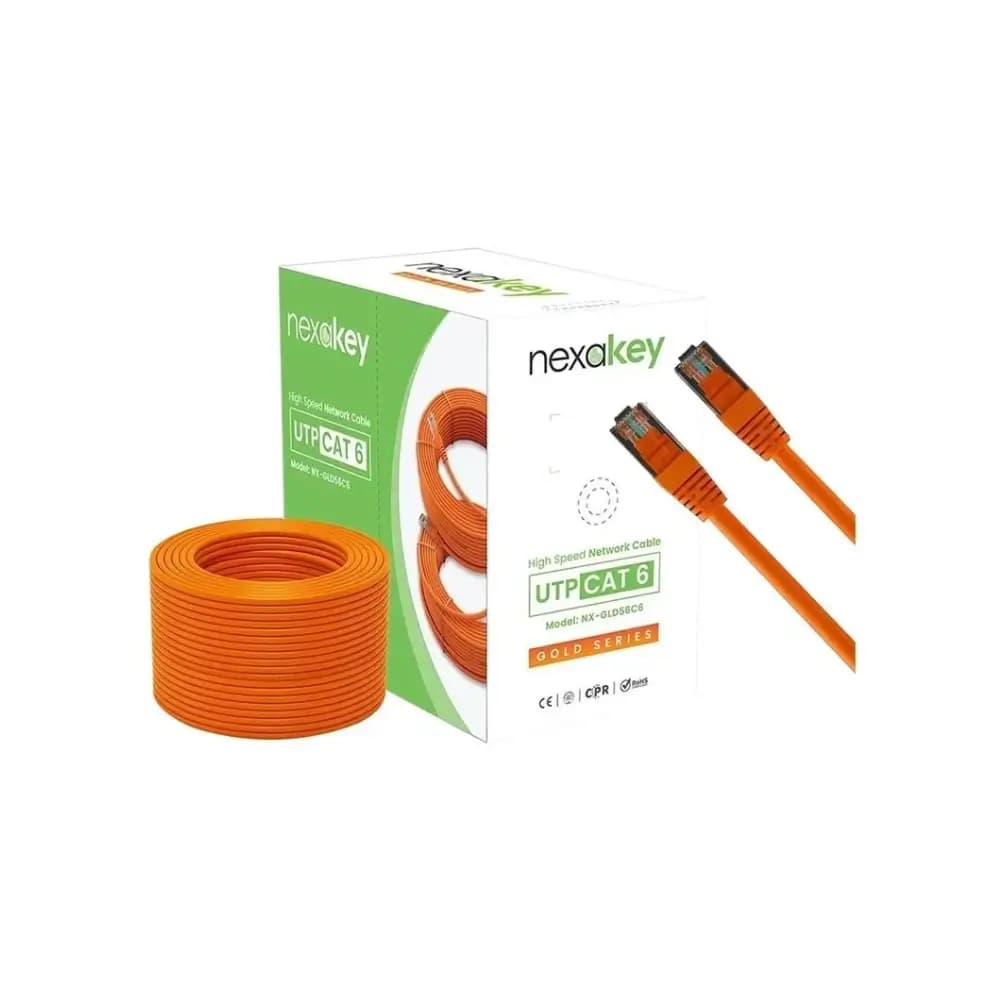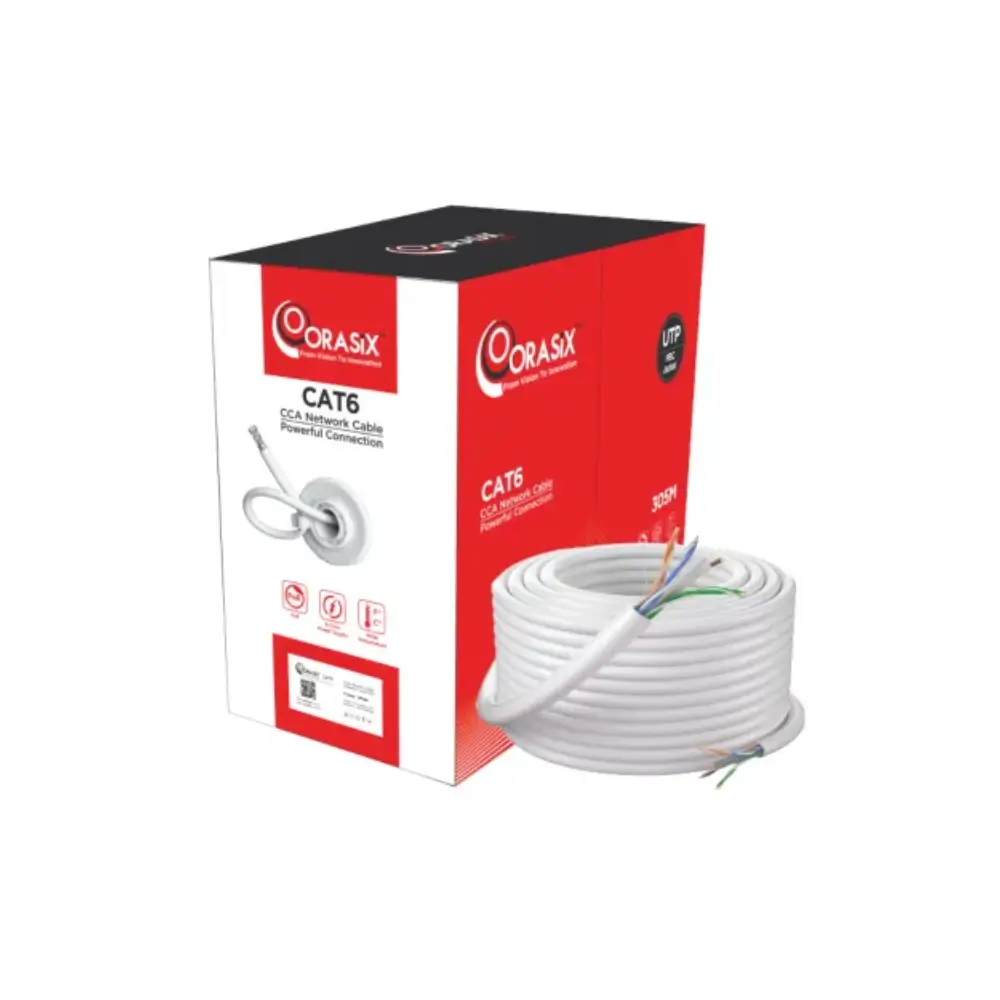
Orasix OS-SLN6M305 Cat6 UTP Network Cable 305m
BDT 6,999
Quantity
Setting up a reliable network for your office or home requires more than just routers and devices—the cable running through your walls matters just as much. Poor quality network cabling introduces signal degradation, dead zones, and frustrating connection drops, especially over longer distances. A bulk cable like this lets you run network infrastructure throughout a building without relying on daisy-chained patch cables that collect clutter and fail unpredictably.
The Orasix Cat6 cable is built for professional installations where 305 meters of consistent performance matters. It uses 23 AWG copper-clad aluminum (CCA) construction, keeping costs reasonable while maintaining the conductivity needed for standard office and residential networks. As a CAT6 Unshielded Twisted Pair (UTP) cable, it's designed for high-speed data transmission and reduces electromagnetic interference.
Key Features — Orasix Cat6 Cable
305-Meter Length: Comes in a 305-meter (1000 feet) length, suitable for both small and large-scale networking projects.
CCA 23 AWG Conductor: Twisted 4-pair LAN configuration with CCA construction balances cost and performance for Gigabit installations.
Cat6 UTP Construction: Four twisted pairs reduce crosstalk and electromagnetic noise for stable connections across all modern networking protocols.
Gigabit Ready: Engineered for Gigabit Network readiness, ensuring lightning-fast data transfer speeds.
Pull Box Packaging: Bulk cable supplied in a convenient pull box, making installation faster and reducing tangling.
Indoor Rated: PVC jacket suitable for in-wall and conduit installations in typical office and residential environments.
Why Choose This Cat6 Cable
Bulk network cable is a practical choice when you need consistent quality over long distances without paying premium prices for individually tested patch cables. The CCA conductor keeps the cost down compared to pure copper alternatives, and for runs under 100 meters at Gigabit speeds, the performance difference is negligible in most real-world setups. You're paying for material, not branding.
That said, CCA does show measurable conductivity loss on very long runs or with Power over Ethernet (PoE) devices demanding higher current. If you're running close to 305 meters or planning to power devices over the line, pure copper would be worth the extra cost. For typical office networks, server room to switch runs, or residential installations under 100 meters, this cable delivers what you need at a fair price.
Best Use Cases
Running network backbone between floors or across a building interior
Structured cabling for offices, apartment buildings, or small data centers
Replacing daisy-chained patch cables with clean in-wall infrastructure
Budget-conscious network upgrades where bulk cable keeps per-meter costs low
Technical Specifications
Specification | Detail |
|---|---|
Category | Cat6 UTP |
Length | 305 meters (1000 feet) |
Conductor | 23 AWG Copper Clad Aluminum (CCA) |
Pair Configuration | 4 twisted pairs |
Jacket | PVC |
Data Speed | Up to 1 Gbps |
Bandwidth | Up to 250 MHz |
Environment | Indoor |
Compatibility
What's in the Box
Warranty & Support
Original Orasix product available through authorized dealers in Bangladesh. Cash on delivery available. Check with your retailer for warranty terms on bulk cable.
Frequently asked questions
Do I need pure copper instead of CCA for my network?
CCA works fine for Gigabit networks under 100 meters. Pure copper has better conductivity over longer distances and with Power over Ethernet devices, but for typical office runs, CCA is standard.
Can I use this cable outdoors?
No, this is rated for indoor use only. Outdoor installations need UV-resistant jackets and different insulation.
What connectors do I need to buy separately?
You'll need RJ45 connectors and either a crimping tool for direct termination or a patch panel with punch-down blocks, depending on your installation method.
Is this cable better than using patch cables strung together?
Yes—bulk cable run through walls is cleaner, more reliable, and doesn't create connection points where patch cables meet and fail. It's the standard for professional installations.
Will this work with PoE (Power over Ethernet)?
It supports standard PoE, but CCA conductors may show performance limits with high-power PoE+ devices on long runs. Pure copper is preferred for PoE-heavy setups.
Orasix Store
More in-stock picks from this brand